2. Colour: know where the sweet spot is
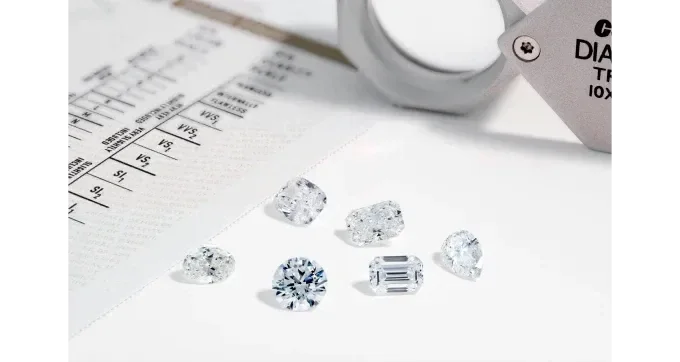
Diamond colour is graded D (colourless) to Z (visible yellow tint). Most people can’t tell the difference between D and H with the naked eye, especially once the stone is set. Colours in the G-H range offer the best value — visually near-colourless, at a meaningfully lower price than D-F.
3. Clarity: don’t overpay for invisible flaws
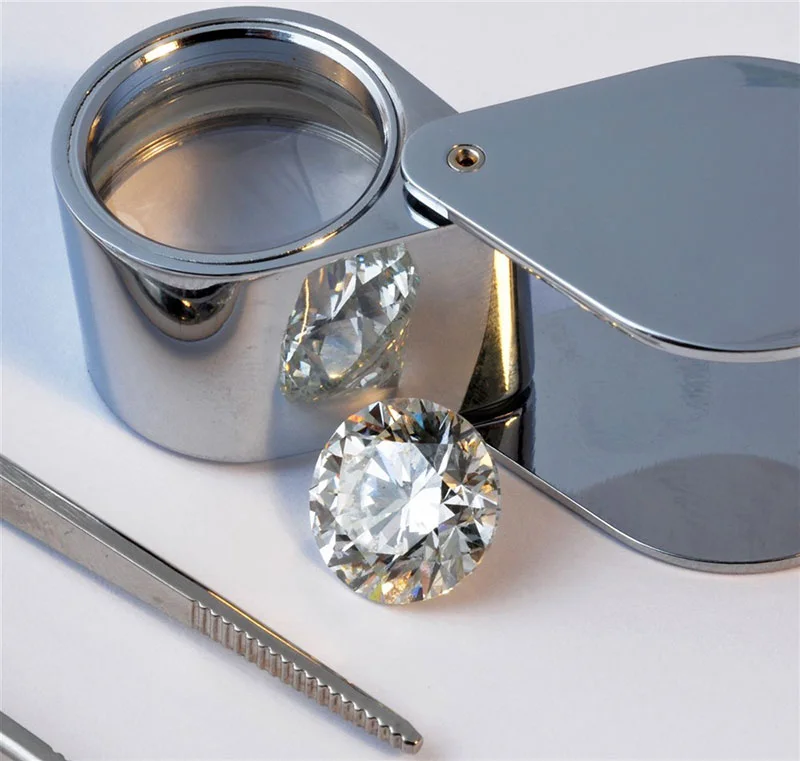
Clarity measures internal and surface imperfections, graded from Flawless to Included. For most cuts and carat sizes, VS1-VS2 clarity is “eye-clean” — no visible inclusions without magnification — and costs considerably less than VVS or Flawless grades that only a jeweller’s loupe would ever reveal the difference on.
4. Carat: bigger isn’t always the right call
Carat is weight, not size — a well-cut diamond can look larger than its carat weight suggests. This is where lab-grown gives you real room to move: since lab-grown costs 60-85% less than natural at the same specs, you can often go up a size class and still spend less than a smaller natural stone would cost.
5. Always check the certificate
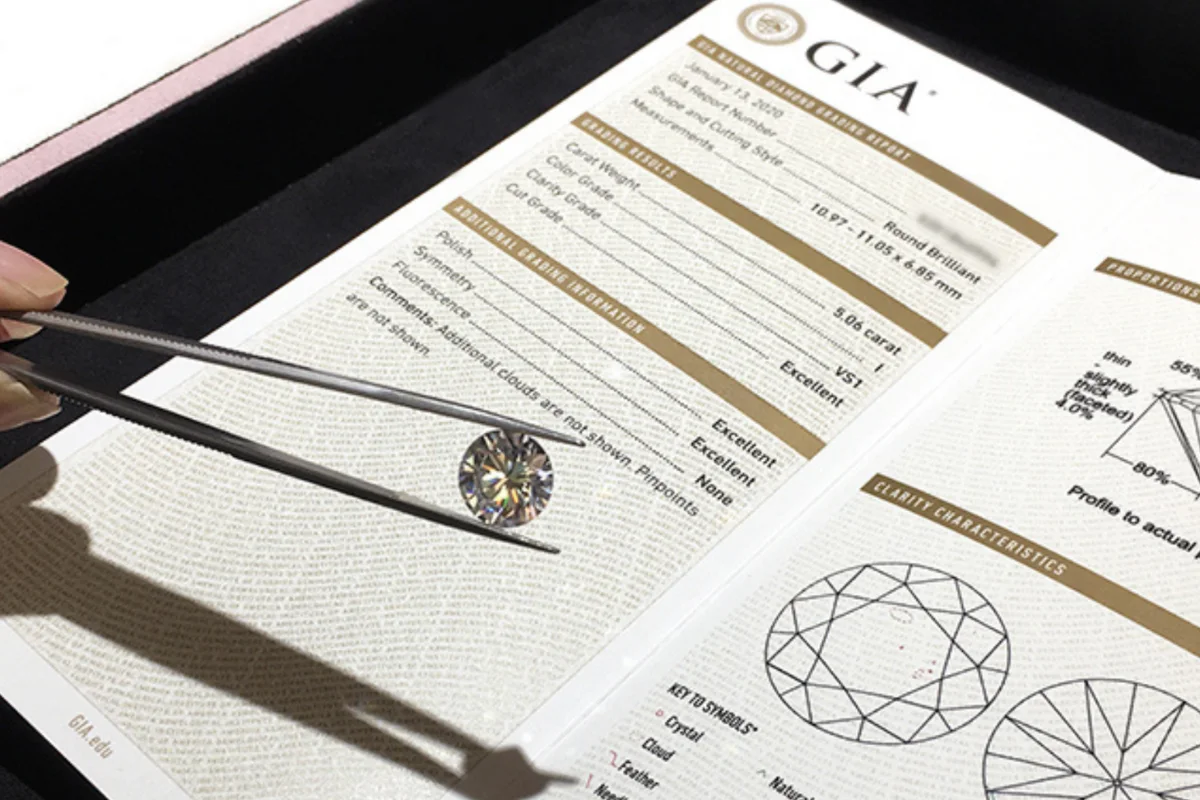
Every lab-grown diamond should come with an independent certificate from GIA or IGI, stating the 4Cs and confirming lab-grown origin. Never buy a diamond above a small carat weight without one — the certificate is what protects you if you ever need to insure, resell, or verify the stone.
6. Shape is personal — but some hold sparkle better
Round brilliant cuts maximise sparkle and are the most forgiving of lower colour/clarity grades, since the cut hides imperfections well. Step cuts like emerald or asscher show off clarity more (and flaws more), so it’s worth going a grade or two higher on clarity if you choose one of these.
The mistakes to avoid
Buying without a certificate — no exceptions, regardless of price.
Chasing a “perfect” grade — D/Flawless commands a steep price premium for a difference invisible to the eye.
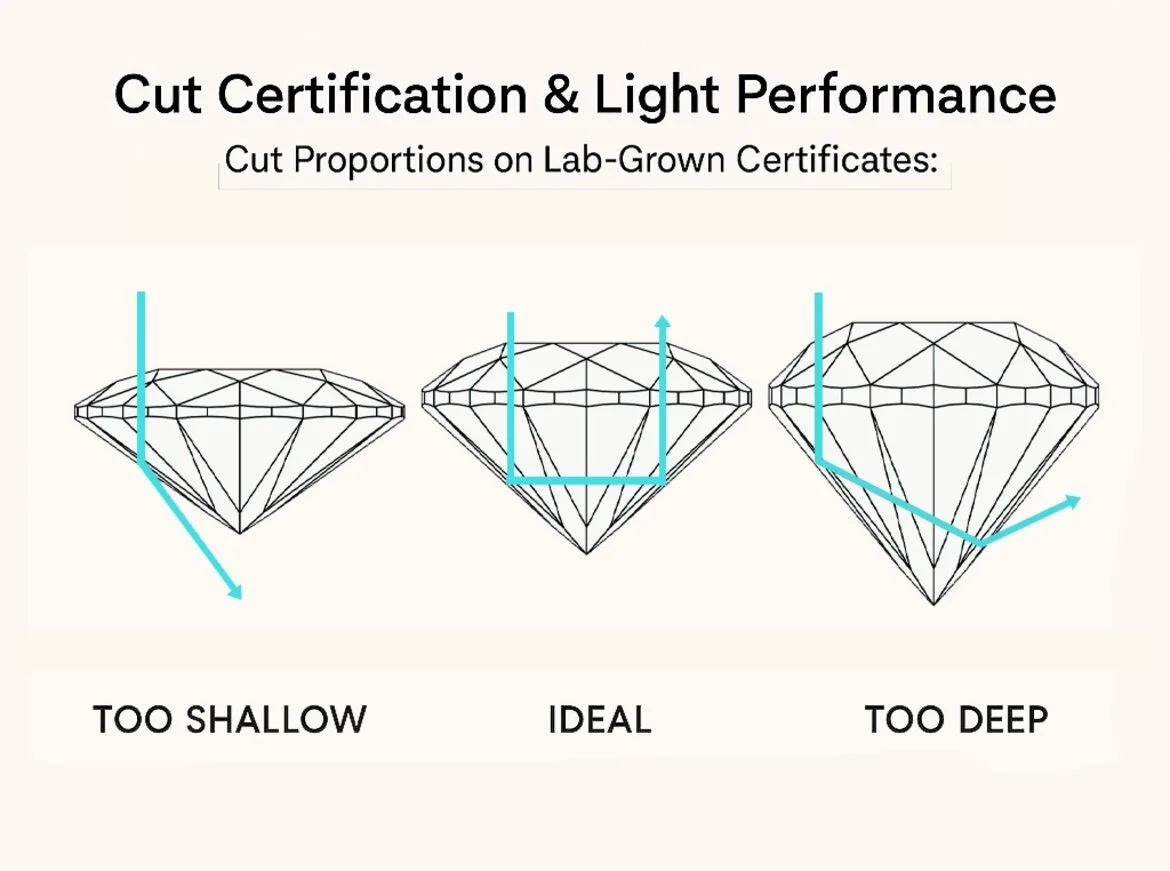
Ignoring cut grade — carat and colour get all the attention, but cut is what actually makes a diamond sparkle.
Not asking about the growth method — CVD and HPHT are both legitimate, but the certificate should always state which, so there’s no ambiguity later.
Choosing well isn’t about spending the most — it’s about knowing which grades actually affect what you’ll see when you look at the stone, and which ones don’t.